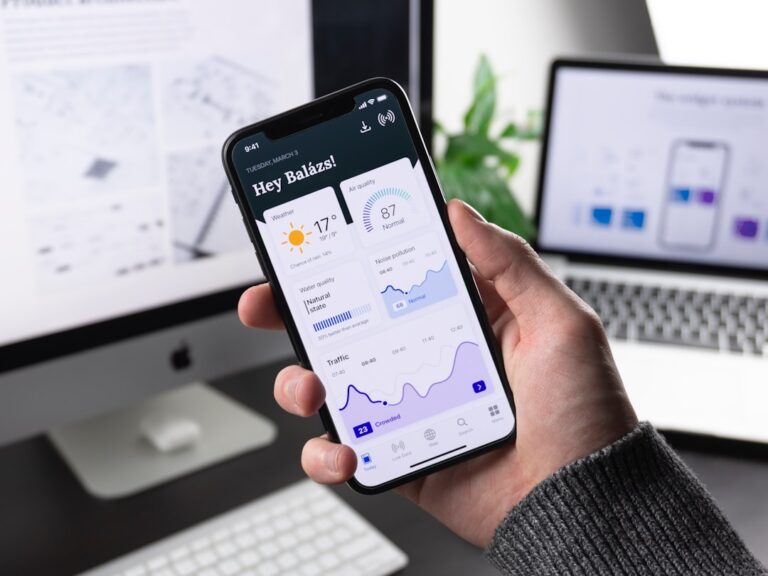
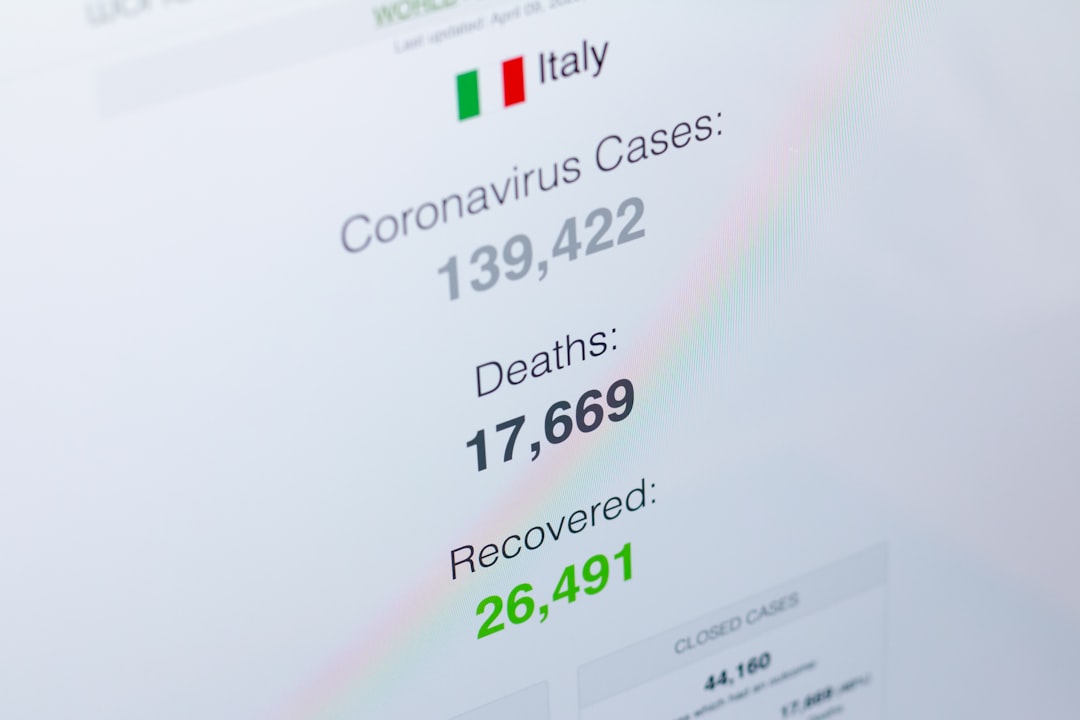
Learn what types of information are collected by mobile and web applications, and how legal regulations affect the data collection process.
Data Collected by Mobile and Web Applications
Mobile and web apps have become an inseparable part of our daily lives. From messengers and banking apps to time management tools — each of them collects data.
Understanding what information is gathered and how it is used is essential for both users and app developers.
Types of Data Collected by Applications
When developing applications — such as those created by chdr.tech — particular attention is paid to collecting data that helps improve service quality.
Common categories of collected data include:
- Personal data: Name, surname, email address.
- Location data: Current GPS position.
- Behavioral data: How users interact with the app.
- Technical data: Device information, operating system, and performance metrics.
Why Do Applications Collect Data?
Data collection enables mobile and web applications to personalize content and enhance the overall user experience, while also improving operational efficiency.
Personalization and Better User Experience
By collecting user data, applications can tailor content to individual preferences, making them more engaging and easier to navigate.
Analysis and Optimization
Data helps developers analyze and test features, allowing for continuous improvement of applications.
(Learn more about how we test mobile applications before release.)
What Does the Law Say? Regulations on Data Collection
As technology evolves rapidly, legislation strives to keep up — defining how apps may collect and use data.
GDPR and Other Regulations
The GDPR (General Data Protection Regulation) is the key legal framework across the European Union.
It requires companies to clearly inform users about what data is collected and how it will be used.
User Consent as a Legal Basis
Applications must obtain explicit user consent for data collection — typically through the acceptance of a Privacy Policy or Terms of Service.
How to Ensure Legal Compliance
Ensuring compliance with data protection regulations is not only a legal requirement but also an opportunity to build customer trust.
Here are several key best practices:
- Transparent Privacy Policy: Clearly define what data is collected and how it will be used.
- Data Security: Implement modern data protection measures to safeguard user information.
- Continuous Updates: Regularly adapt your app to align with evolving legal standards.
Practical Tips for App Developers
If you’re planning to develop a mobile or web application, consider the following guidelines for handling data collection responsibly:
Data Collection Strategy
When designing your strategy, determine which data is truly necessary to achieve your business goals — and avoid excessive collection.
Collaboration with Experts
Partnering with an experienced company like chdr.tech ensures compliance with legal requirements and streamlines your development processes.
Summary
Clearly understanding what data your application collects — and how regulations affect this process — is crucial for both businesses and users.
By prioritizing transparency and security, developers can build lasting trust with customers and deliver high-quality digital experiences.
If you’re considering developing your own app, check out our guide on the cost of mobile app development in 2025.