
Blog
-
Why is it worth having a social app in 2025?

Are you wondering why it’s worth investing in mobile and web-based social applications? Discover how they can support process automation, community integration, and the growth of your business. A New Era of Communication: Why Are Social Apps Key? Social applications are not just communication tools—they are platforms that enable building engaged communities. Modern mobile apps…
-
N8N on Your Own VPS – Zapier and Make for Free
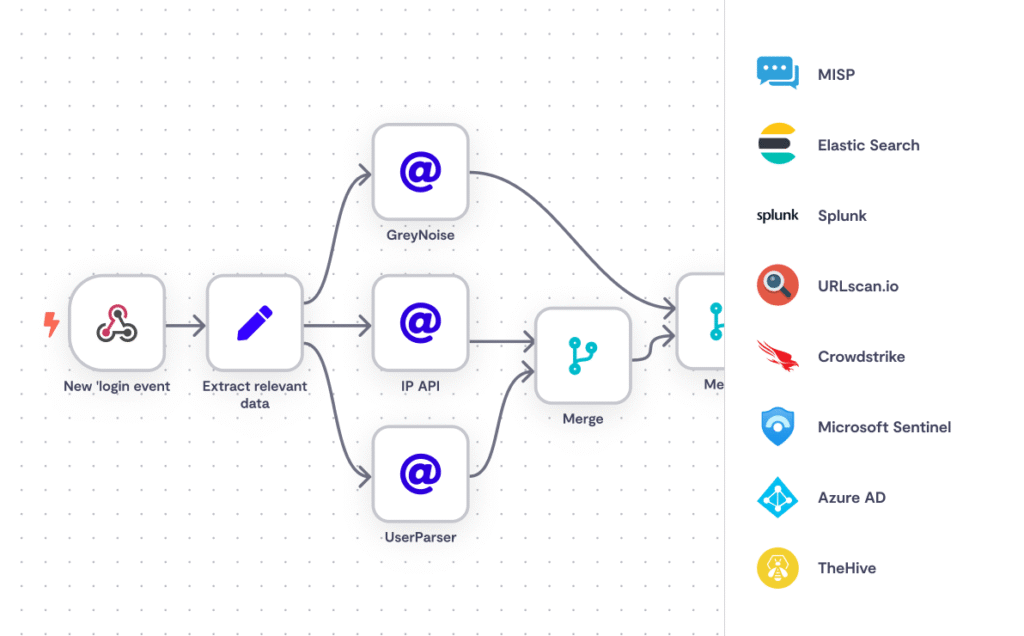
Automation is the key to efficiency in every software house. At CHDR.tech, we constantly test and implement the latest solutions that let us focus on delivering value to our clients instead of wasting time on repetitive tasks. In this article, we’ll show you how to replace expensive Zapier and Make subscriptions with a free but…
-
How to test an app prototype with users?

Testing an app prototype with users is a crucial stage in the process of creating effective and satisfying solutions. It’s the moment when we can verify our assumptions and understand whether the designed features truly meet the expectations of end users. In this article, we will present the best practices in app testing that we…
-
Supabase – an affordable and fast backend for startups
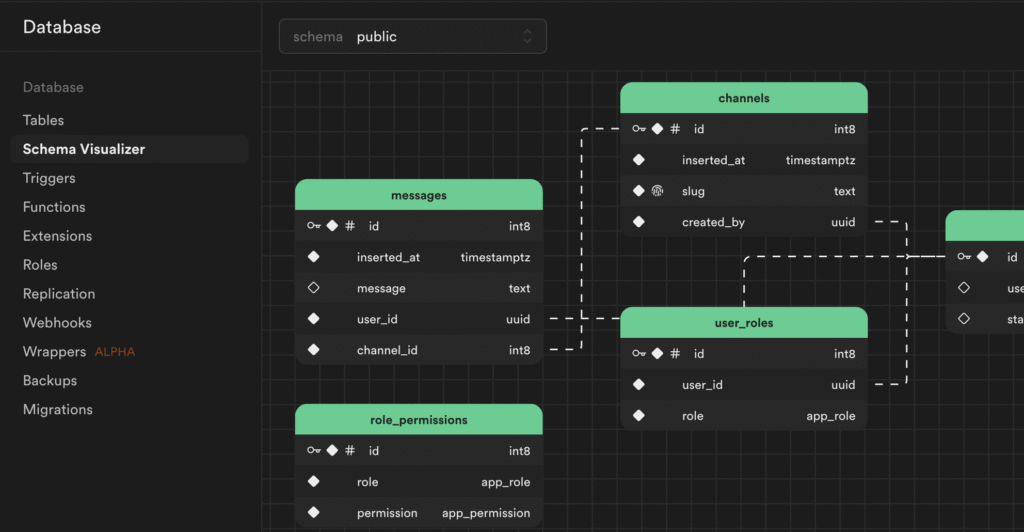
Supabase is the perfect solution for startups that require a low-cost and fast backend. Thanks to its versatility and ease of integration, it has become the number one choice for many companies. It’s worth considering how Supabase can optimize software development processes, especially in the context of mobile and web applications. What is Supabase? Supabase…
-
Gemini CLI – AI that understands your team’s code
Modern development teams are increasingly turning to AI-powered tools that support them at every stage of working with code. One of the most interesting solutions in recent months is Gemini CLI – an open-source, terminal-based AI assistant that not only generates and analyzes code, but truly understands the context of a team’s projects. It’s a…
-
Junie by JetBrains. A breakthrough in code automation and developer tools
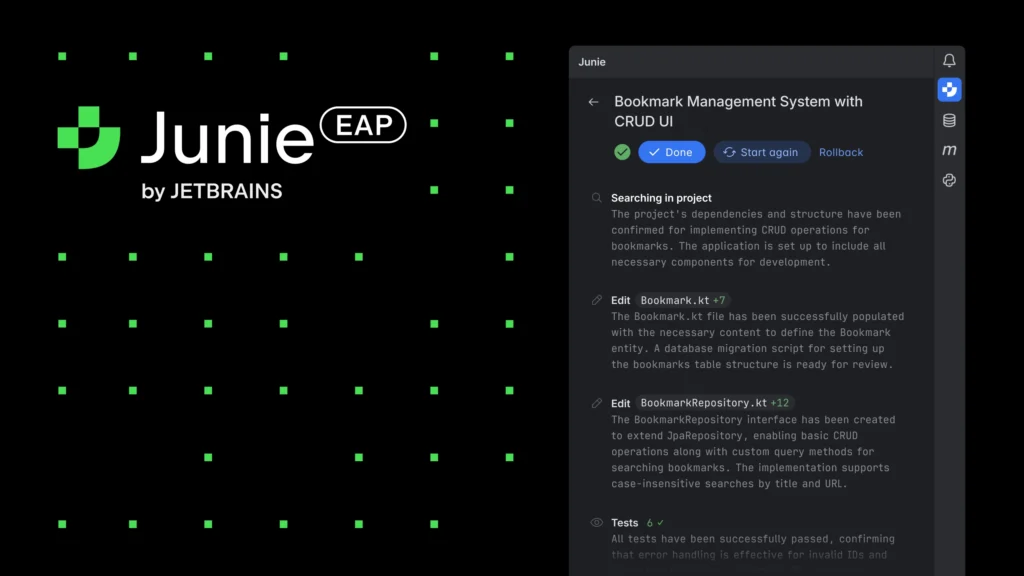
In an era of rapid advancement in development tools, artificial intelligence is becoming a key element supporting software teams.Junie, the new AI agent from JetBrains, is a breakthrough solution that redefines the approach to code automation in environments such as IntelliJ IDEA, PyCharm, and WebStorm. Unlike traditional code assistants, Junie operates autonomously—independently planning, executing, and…